

tempered clear glass
Understanding Bore Gauge Working Mechanism A bore gauge is a precision instrument widely used for measuring the internal diameter of cylindrical objects, such as holes and bores in machining and manufacturing components. This tool is essential in ensuring that parts are manufactured within specific tolerances, which can significantly affect performance, safety, and functionality in various applications. Understanding how a bore gauge works can help users utilize it effectively for accurate and reliable measurements. Components of a Bore Gauge The bore gauge consists of several key components a body, measuring heads, and a measuring mechanism, often employing a dial or digital display for readings. The body is typically designed for ease of handling and durability, made from materials that withstand wear and tear in industrial environments. The measuring heads, which come in various sizes and types, are responsible for contacting the bore surface to take measurements. Depending on the design, the gauge may have interchangeable heads to accommodate different bore sizes. Measurement Process To use a bore gauge, the user inserts the measuring head into the bore that needs to be measured. The gauge is adjusted so that the measuring ends make contact with the interior wall of the bore. As the gauge is adjusted, it is crucial to ensure proper calibration to guarantee accurate readings. Users must also pay attention to the positioning and alignment of the gauge to avoid errors caused by tilting or misalignment. Once the gauge touches the bore wall, the measuring mechanism is activated. For analog bore gauges, the movement of the measuring head results in the dial needle indicating the diameter on the scale. For digital bore gauges, the measurement is displayed in numerical form, providing a straightforward reading. Types of Bore Gauges bore gauge working There are several types of bore gauges, each suited for different applications. The two most common types are the dial bore gauge and the digital bore gauge. 1. Dial Bore Gauge This traditional style uses mechanical parts to indicate measurements. It consists of a dial, which translates the movement of the measuring head into a readable format. The simplicity of construction makes dial gauges more rugged, but they may require more manual interpretation. 2. Digital Bore Gauge This modern type uses electronic sensors to provide a digital readout. Digital gauges are often more precise and easier to read, offering the advantage of reduced human error in reading measurements. Additionally, some digital models can store measurements for further analysis. Importance of Calibration and Maintenance Regular calibration and maintenance of bore gauges are essential for ensuring measurement accuracy. Calibration involves checking the gauge against a standard and adjusting it to correct any discrepancies. Maintenance may include cleaning the gauge to remove debris, lubricating moving parts, and inspecting the measuring heads for wear. Conclusion Bore gauges play a crucial role in quality control across various industries, including automotive, aerospace, and manufacturing. Their ability to measure internal diameters with high precision helps ensure that components meet design specifications and function as intended. Understanding the working mechanism of bore gauges empowers users to make the most out of this essential measuring tool, ultimately leading to improved product quality and reliability. Whether using a dial or digital bore gauge, knowledge of proper usage and maintenance is key to achieving accurate and consistent results.
about
tempered clear glass
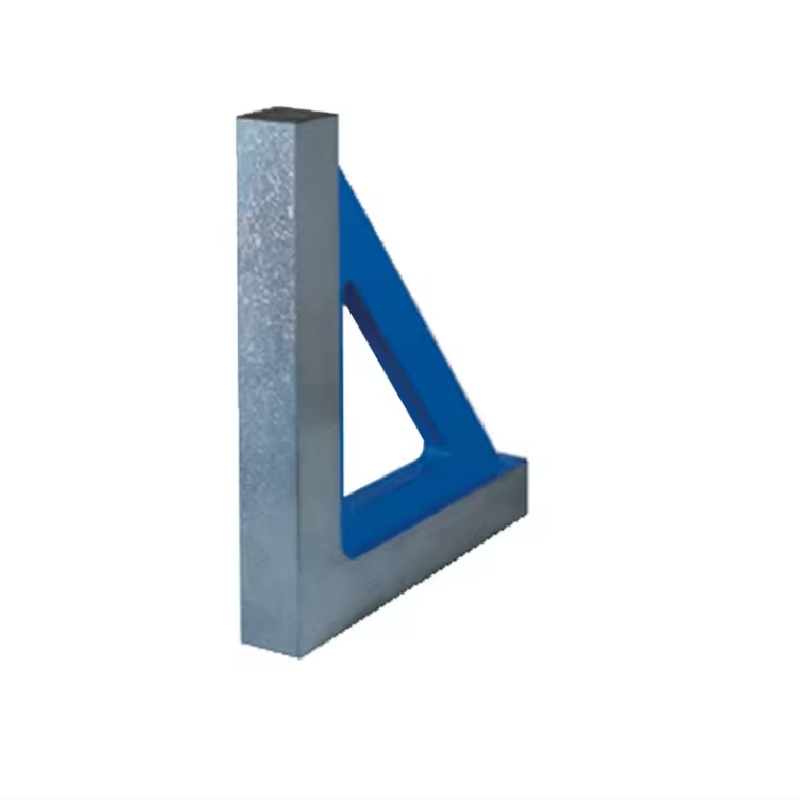
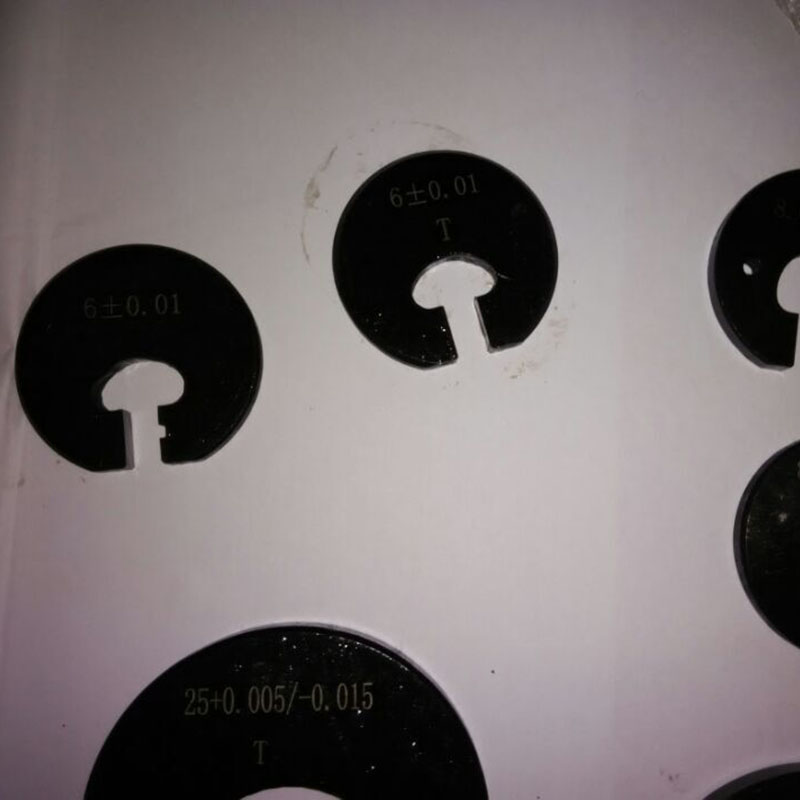
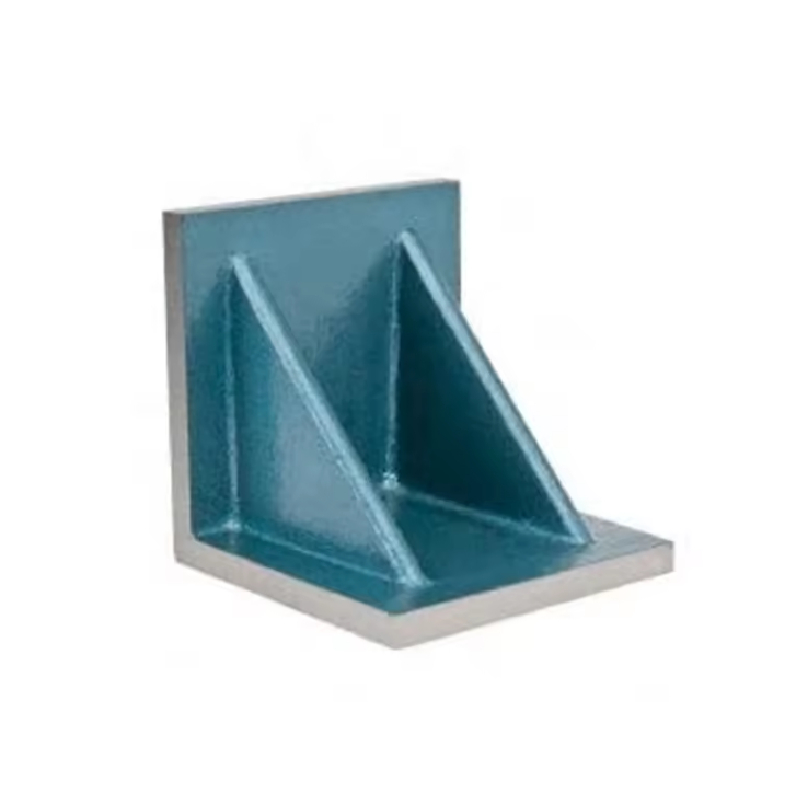
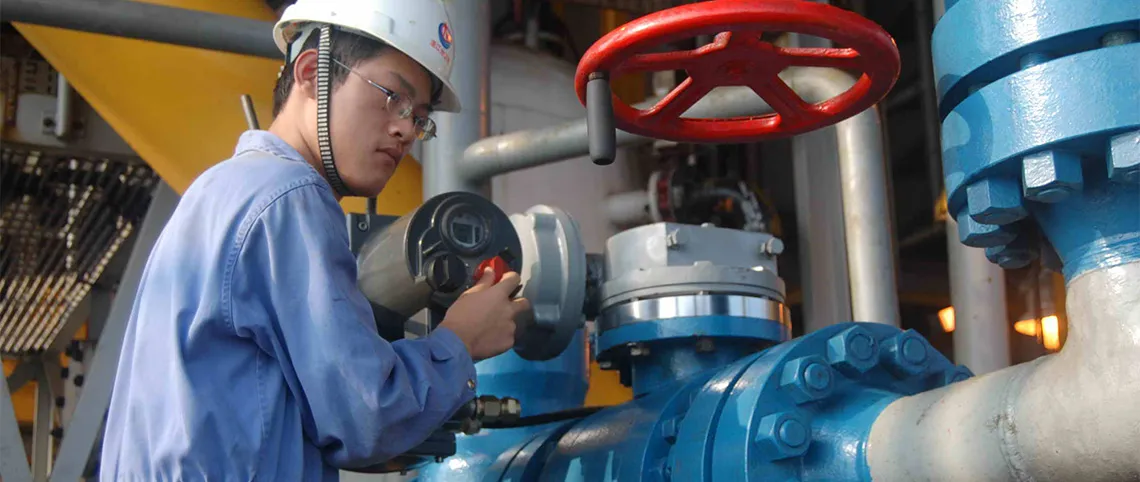
Ball check valves are indispensable components in industrial fluid systems, preventing backflow and ensuring operational safety. For wholesale purchasers, optimizing installation and maintenance protocols isn’t just best practice—it’s a cost-saving imperative. With bulk acquisitions of ball valves for sale , standardized procedures minimize downtime and maximize ROI. At the core of Storaen (Cangzhou) International Trading Co. portfolio lies its unparalleled expertise in cast iron welding platforms, measuring tools, plug gauges, ring gauges, and valves. These products, crafted with meticulous attention to detail and backed by stringent quality control measures, embody the hallmark of reliability and durability, catering to the diverse needs of industries worldwide. Situated amidst a bustling ecosystem of top-tier raw material suppliers and skilled labor, Storaen (Cangzhou) International Trading Co. gains a competitive edge, ensuring access to premium resources that fuel its manufacturing prowess. Pre-Installation Protocols for Ball Check Valves Before deploying ball type check valve units in bulk systems, rigorous groundwork ensures seamless integration. Wholesale operations demand scalability, making pre-installation planning non-negotiable. System Compatibility Audits: Verify pressure ratings, temperature thresholds, and chemical resistance against the ball check valve specifications. Mismatches cause premature failure in wholesale batches. Batch Inspection: Sample-test of valves from palletized ball valves for sale for defects like surface cracks or seal imperfections. Pipeline Preparation: Remove welding slag, debris, or scale from pipes using industrial brushing tools to prevent obstruction of the ball mechanism. Orientation Validation: Confirm flow-direction markings align with system schematics; reverse installation cripples functionality. Step-by-Step Installation of Ball Type Check Valves Precision installation guarantees optimal performance of ball type check valve inventories. Follow these steps for leak-free, durable deployments. Mounting Alignment: Use laser alignment tools to position valves between flanges without torsional stress. Misalignment strains valve bodies. Gasket/Sealant Selection: Apply PTFE gaskets or thread sealants compatible with the media (e.g., gas, oil, water). Avoid over-tightening bolts. Flow Direction Calibration: Install valves horizontally with the ball chamber above the pipeline. Vertical installations require spring-assisted ball check valve models. Post-Installation Testing: Conduct hydrostatic tests operating pressure before system commissioning. Maintaining Ball Valves for Sale in Wholesale Operations Proactive maintenance of bulk ball valves for sale inventories prevents systemic failures. Implement these protocols to sustain valve efficiency. Routine Inspection Cycles: Quarterly checks for leaks, corrosion, or unusual noises during operation. Use boroscopes for internal ball-seat inspection. Cleaning Procedures: Flush valves with solvent solutions months to dissolve mineral deposits obstructing ball movement. Seal Replacement: Replace elastomer seals years; upgrade for high-temperature chemical applications. Wholesale-Scale Record Keeping: Track valve performance metrics (e.g., cycle counts, failure rates) using digital asset management software. Sourcing and Wholesale Considerations for Ball Type Check Valves Strategic procurement of ball type check valve units hinges on technical and commercial foresight. Prioritize these factors for bulk acquisitions. Material Specifications: Opt for 316 stainless steel ball check valve units for corrosive environments; brass suits low-pressure water systems. Supplier Scalability: Partner with manufacturers like Storaen capable of delivering unit batches with uniform quality documentation. Inventory Management: Stock critical spares (seals, balls) matching purchased ball valves for sale to minimize downtime. FAQ: Addressing Ball Check Valve Queries for Wholesalers What distinguishes a ball check valve from other check valves? Ball check valves use a free-floating or spring-loaded ball to block reverse flow, offering quicker response times than swing or lift check valves. Their compact design suits space-constrained bulk installations. How long do ball type check valves typically last in industrial systems? With proper maintenance, ball type check valve units years. Factors like abrasive media, cyclic frequency, and installation accuracy directly impact longevity in wholesale applications. Can ball valves for sale be repaired, or must they be replaced upon failure? Most ball valves for sale allow component-level repairs (e.g., seal or ball replacement). Housing damage usually necessitates full replacement—factor this into wholesale cost projections. What are critical signs of ball check valve failure? Key indicators include reduced flow rates (ball obstruction), audible water hammer (delayed closure), and visible leaks (seal degradation). Immediate inspection prevents systemic damage. Why prioritize wholesale procurement for ball type check valves? Bulk purchasing of ball type check valve inventories ensures price consistency, interchangeable parts for maintenance, and reduced shipping costs. Suppliers like Storaen offer volume-based discounts for unit orders. Optimizing ball check valve performance in wholesale operations hinges on disciplined installation, proactive maintenance, and strategic sourcing. Bulk buyers who standardize these protocols safeguard their investments while achieving lower total cost of ownership. As fluid system demands escalate, partnering with technically adept suppliers becomes pivotal. Remember: Validity checks on ball valves for sale certifications and scalable inventory planning are the bedrock of industrial efficiency.
-

High quality industrial productsagement

High quality industrial products
View Details -

Meet the diverse needs of customers

Meet the diverse needs of customers
View Details -

Strict quality control

Strict quality control
View Details -

Top raw materials

Top raw materials
View Details -

Trusted supplier

Trusted supplier
View Details
Our application
news and information
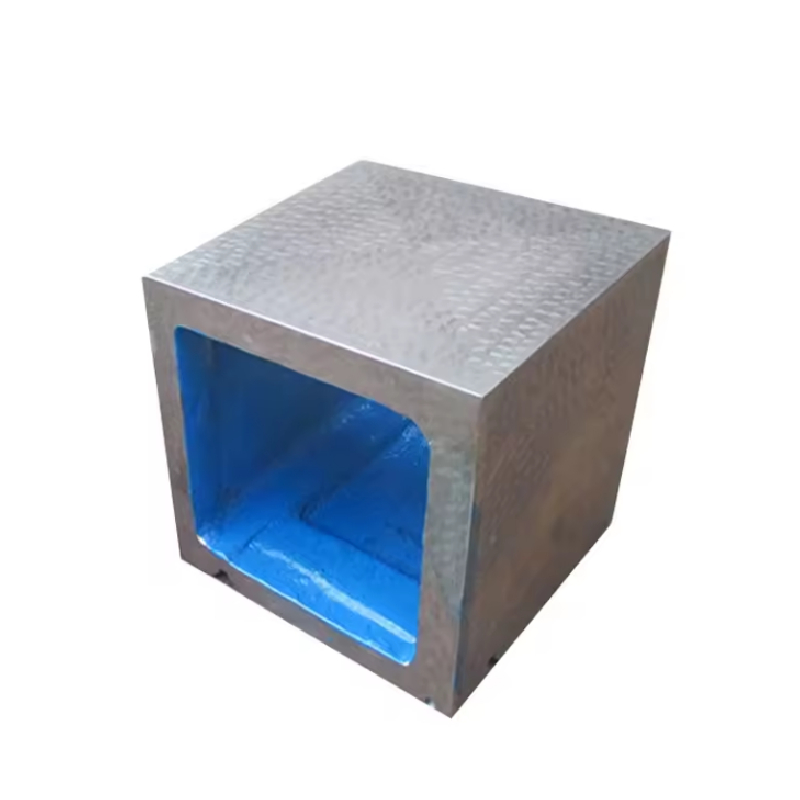
v block design
Exploring the V-Block Design A Revolutionary Approach in Architecture In the ever-evolving landscape
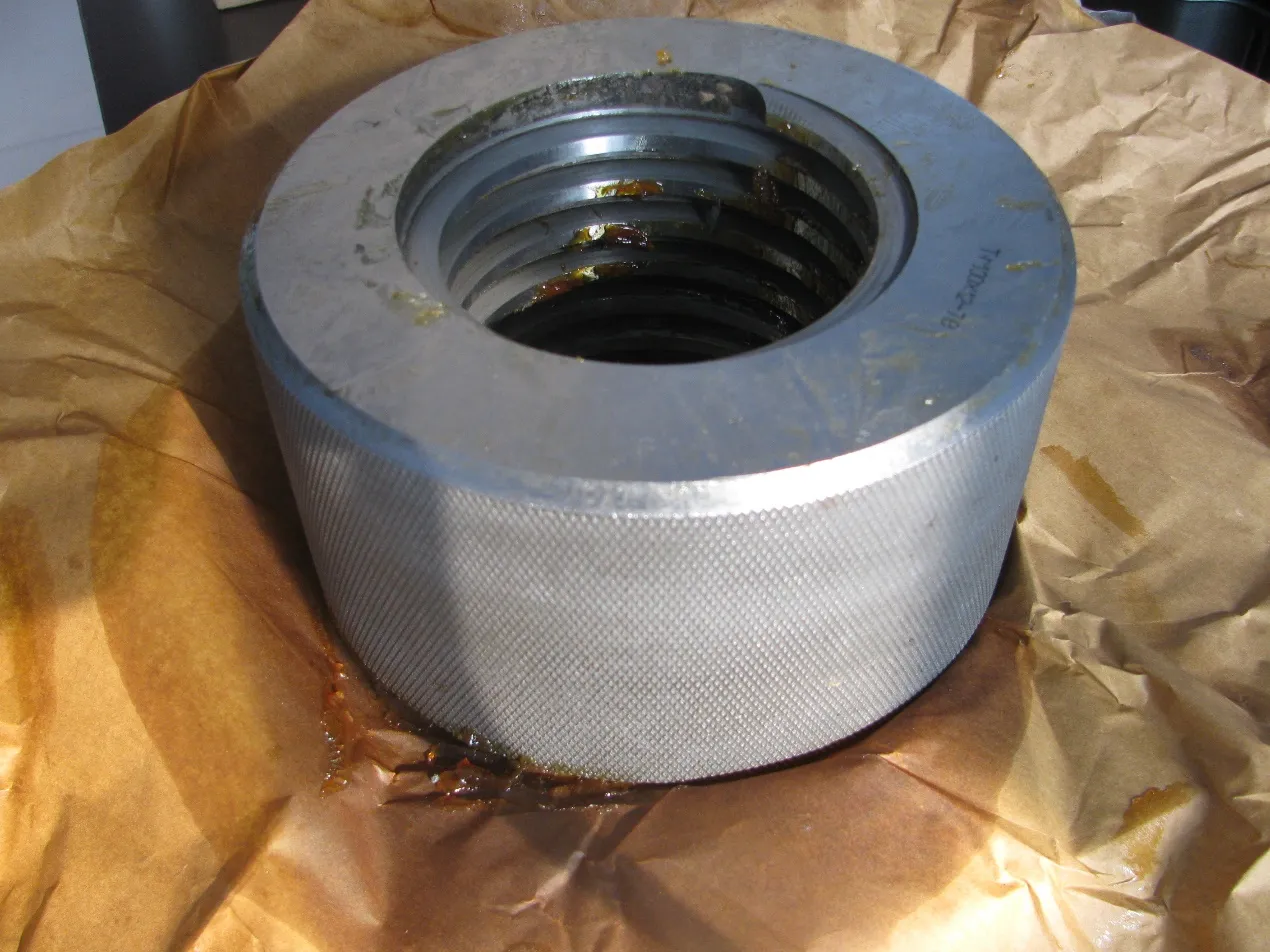
water hose check valve
Understanding the Importance of Water Hose Check Valves Water hose check valves are essential compon
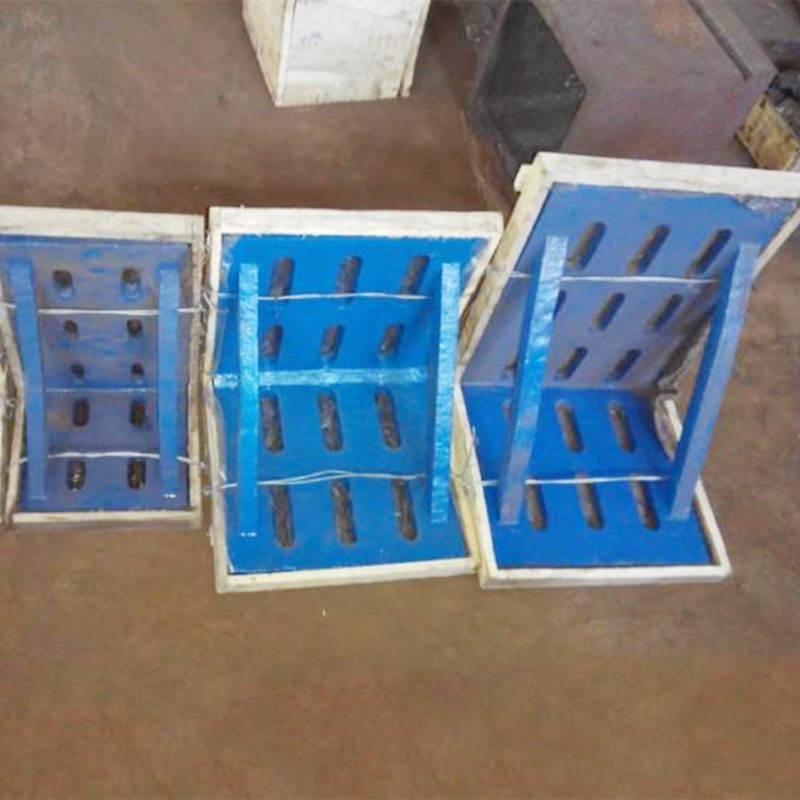
Welding Table Cast Iron Heat Resistance
In the realm of welding, the welding table serves as a crucial foundation for all operations. Among
 English